
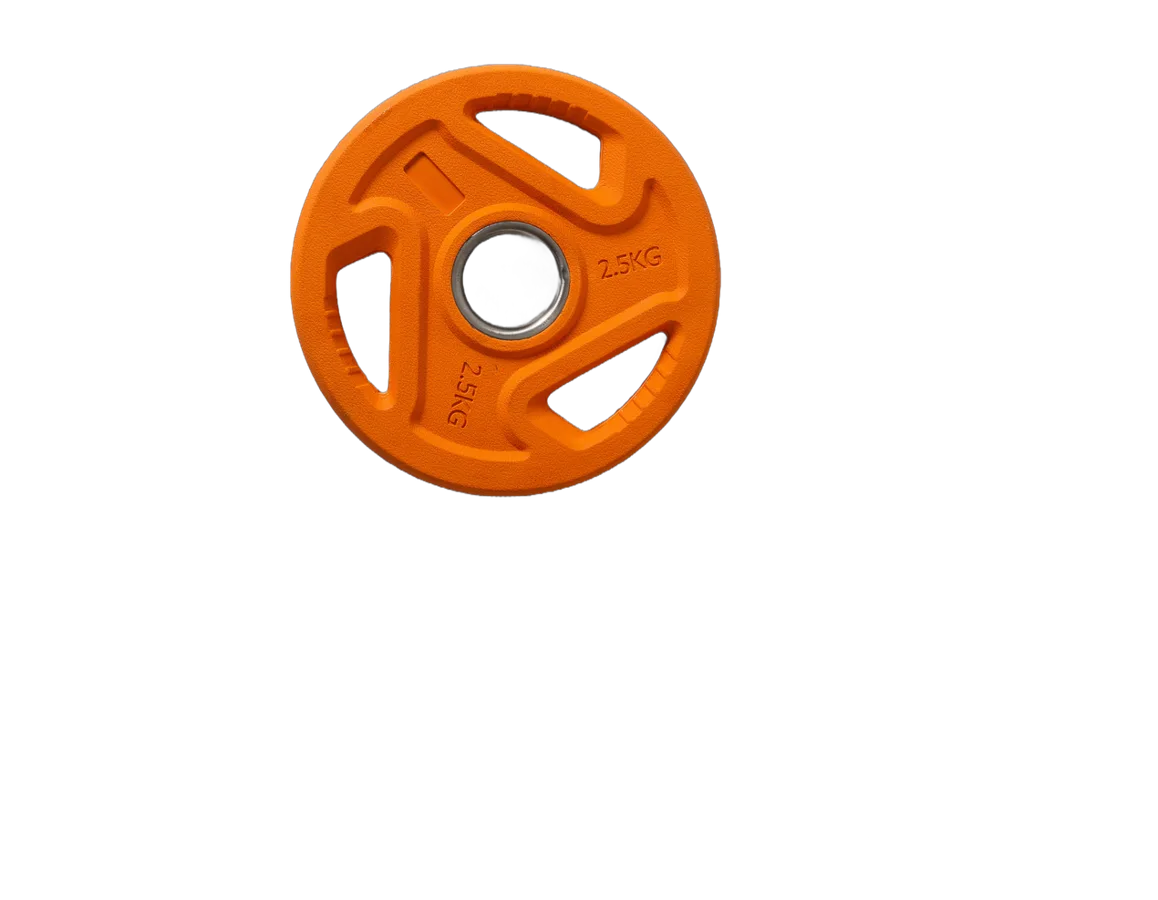
Every dumbbell quotation thread eventually reaches the same question: which coating? The answer is rarely "the best one", because a distributor sells into several price tiers at once. Here is how the three commercial coatings compare and who actually buys each.
The three materials in one table
| Coating | Process | Odour | Floor marking | Service life | Relative cost | Typical buyer |
|---|---|---|---|---|---|---|
| Urethane (CPU) | Cast, poured over steel | None | None | Longest | High | Premium chains, luxury studios, tenders |
| TPU | Injection moulded | None | None | Long | Medium-high | Mid-market commercial, premium home |
| Rubber | Moulded | Initial, fades | Possible on light floors | Good | Low-medium | Budget commercial, schools, volume retail |
Urethane: the tender specification
Cast polyurethane is a two-part liquid poured into a mould around the steel head and cured. Because it is cast rather than pressed, the surface is dense and non-porous. That is why it has no odour, why it does not leave black marks on flooring, and why the edge of a 45 kg dumbbell still looks sharp after five years of being racked. The trade-off is cost and tooling: each head size needs its own mould, and the material itself is the most expensive of the three. Urethane is what large chains write into their specifications because the replacement cycle is the longest.
TPU: polyurethane without the casting cost
Thermoplastic polyurethane is injection moulded, which is a faster and cheaper process than casting. The result shares the odour-free, non-marking behaviour of CPU with a slightly softer surface. For a distributor, TPU is the useful middle tier: you can put "polyurethane" on the product page at a price that sits between rubber and CPU. It also moulds crisp logos and numerals, which matters for private-label work.
Rubber: the volume line
Moulded rubber is the coating most gyms in the world are actually equipped with. It is the cheapest per kilogram, tooling is inexpensive, and it is available in round or hex heads. Its two known weaknesses are odour from recycled compound, which fades within weeks, and a tendency to scuff pale flooring. A low-odour compound and a black floor solve both. If you sell into schools, municipal facilities, budget chains or big-box retail, rubber is the line you will sell by the container.
What to stock
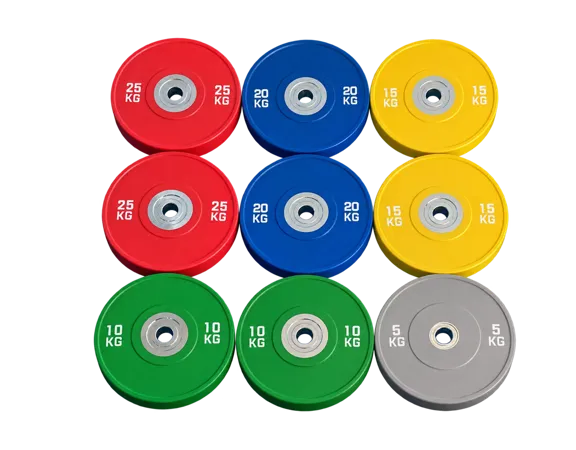
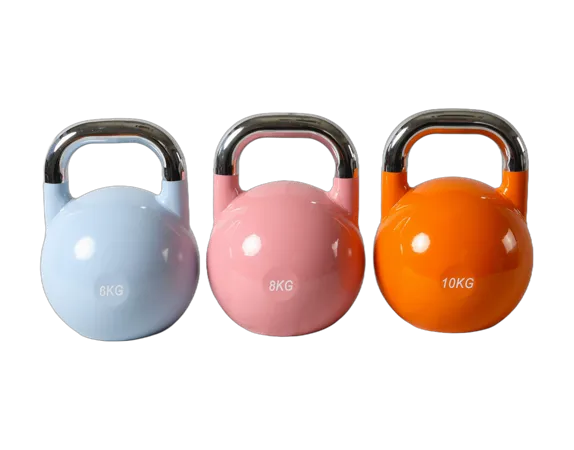
Most distributors we supply end up with two of the three: rubber as the volume line and either TPU or CPU as the premium line, depending on whether their premium customers are mid-market gyms or luxury operators. Carrying all three only makes sense once you have the sales team to explain the difference. Whichever you choose, match the plate and kettlebell coating to the dumbbell, because buyers notice when a "urethane range" has rubber plates.

Written by the people who quote, tool and inspect the product at our own plant. Questions: [email protected]
Request a quotation
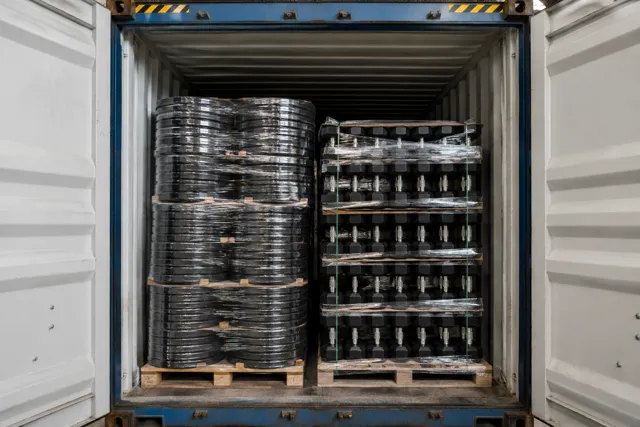
Send the list. Get price, lead time and container loading in one working day.
Item list, quantities and destination port are enough to start. Logo artwork and colour references can follow once the price is agreed.
- Email[email protected]
- Phone / WhatsApp / WeChat+86 138 6042 3022
- OfficeIronhue Limited
Room 1203, No.5 Jinzhong Road, Huli District, Xiamen, China