
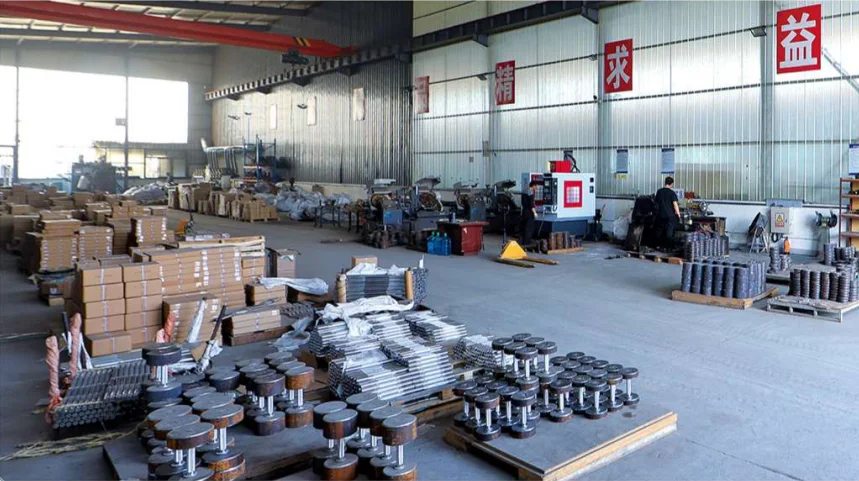
Quick answer
Seven questions separate a manufacturer from an intermediary: unannounced video access to the floor; the tolerance figure and who measures it; which process steps are outsourced; a batch inspection record from last month; what happens to your mould after the order; who signs the bill of lading; and whether you can visit next month. A factory answers all seven in one email. An intermediary goes quiet on three of them. None of the questions is hostile, and a good supplier will not treat them that way.
There is nothing wrong with buying through a trading company. They aggregate small orders, carry inventory, and sometimes handle documentation better than a factory does. The problem is not what they are — it is not knowing which one you are dealing with, because it changes who is accountable when a batch is wrong.
The seven questions at a glance
| # | Question | What a factory answer sounds like |
|---|---|---|
| 1 | Unannounced video call to the floor? | Picks up within the hour |
| 2 | Tolerance, and who measures it? | Names the figure and the inspection point |
| 3 | Which steps are outsourced? | Specific: casts and coats in house, buys plating locally |
| 4 | A batch record from last month? | Dated working record with real readings |
| 5 | What happens to my mould? | Immediate — the tool is in their building |
| 6 | Who signs the bill of lading? | Names the entity, explains any group structure |
| 7 | Can I visit next month? | Address, nearest airport, offer to arrange |
The seven questions in detail
1. Can I video-call the production floor right now, unannounced?
The word that matters is unannounced. A scheduled tour can be arranged anywhere. A supplier who can pick up a phone and walk you through their own floor within the hour is the supplier who owns it.
2. What is your weight tolerance, and who measures it?
Two parts, and the second is the revealing one. A manufacturer names the figure and describes the inspection point — the scale, the stage, whether it is every batch or a sample. An intermediary gives you a number they were given.
Ours are published on each product page and marked typical, which is a deliberate distinction: inspected batch by batch, not certified by an outside laboratory.
3. Which process steps do you outsource?
Honest manufacturers outsource something. Almost nobody makes their own cardboard or plates their own hardware. The answer to look for is specific: we cast, coat and sew in house; we buy chrome plating locally. A supplier who claims to do everything is either very large or not being straight with you.
4. Can you show me a batch inspection record from last month?
Not a certificate — a working record. Dated, with actual readings, including any batch that failed and what was done about it. Records exist where inspection happens.
5. What happens to my mould after the order?
If you are paying for tooling, you should know where it lives, who can run it, and whether it is used for anyone else. A factory answers immediately because the tool is physically in their building.
6. Who signs the bill of lading?
A plain question about who is actually exporting. It is also worth asking whether the manufacturing entity and the exporting entity are the same company — many legitimate groups separate the two, and the honest answer is simply to say so.
7. Can I visit next month?
You may never go. The value is in the response: a specific address, directions from the nearest airport, and an offer to arrange the visit is a different answer from an enthusiastic yes with no detail.
What to look at on the video call
If you do get the unannounced call, three things are worth more than a polished walkthrough:
- Ask to see the inspection station. Scales, callipers, records. This is where a real operation looks unremarkable and a staged one looks empty.
- Ask them to weigh something you choose. Not a piece they pick. Watch the reading.
- Ask to see your own product in progress. If you have an order running, it should be findable.
The same logic applies to the sewn side of the range. If a supplier quotes power bags and wall balls alongside cast iron, ask to see the sewing line — those are different machines and different operators, and very few suppliers have both.
The answer that should reassure you
The most useful response to all of this is not a promise. It is an invitation to verify: appoint your own inspector, commission your own testing, call without warning.
That is our own position, and it is worth stating plainly. We publish specifications we can stand behind and we do not publish third-party certification we do not hold. Where independent test data matters for your market, appoint an agency of your choosing — we will supply samples and arrange access to production.
A supplier who would rather you checked is giving you more than one who guarantees everything.
Frequently asked
How can I tell if a supplier is a factory or a trading company?
Ask for an unannounced video call to the production floor, the weight tolerance and who measures it, which steps are outsourced, a recent batch inspection record, what happens to your mould, who signs the bill of lading, and whether you can visit. A manufacturer answers all seven directly.
Is it bad to buy from a trading company?
Not necessarily. They aggregate small orders and sometimes handle documentation well. The risk is not knowing which you are dealing with, because it changes who is accountable when a batch is wrong.
What should I look at during a factory video call?
The inspection station rather than the production line, because that is where a real operation looks ordinary and a staged one looks empty. Ask them to weigh an item you choose, and to find your own order in progress.
Should a supplier admit to outsourcing some steps?
Yes. Almost every manufacturer buys in something. A specific answer such as casting and coating in house with plating bought locally is more credible than a claim to do everything.
Why does it matter who signs the bill of lading?
It shows which entity is actually exporting. Many legitimate groups separate the manufacturing and exporting companies, and the honest answer is simply to say so rather than blur it.

Written by the people who quote, tool and inspect the product at our own plant. Questions: [email protected]
Request a quotation
Send the list. Get price, lead time and container loading in one working day.
Item list, quantities and destination port are enough to start. Logo artwork and colour references can follow once the price is agreed.
- Email[email protected]
- Phone / WhatsApp / WeChat+86 138 6042 3022
- OfficeIronhue Limited
Room 1203, No.5 Jinzhong Road, Huli District, Xiamen, China