
Quick answer
A first order that is too small to be commercially interesting is almost always an evaluation. The buyer is checking three things: whether the goods match the sample, whether the paperwork is complete and traceable, and whether someone answers when there is a question. Suppliers who treat a small order as low priority fail the test without ever learning they were being assessed. A small order is not a small customer. It is a customer checking whether you are reliable.
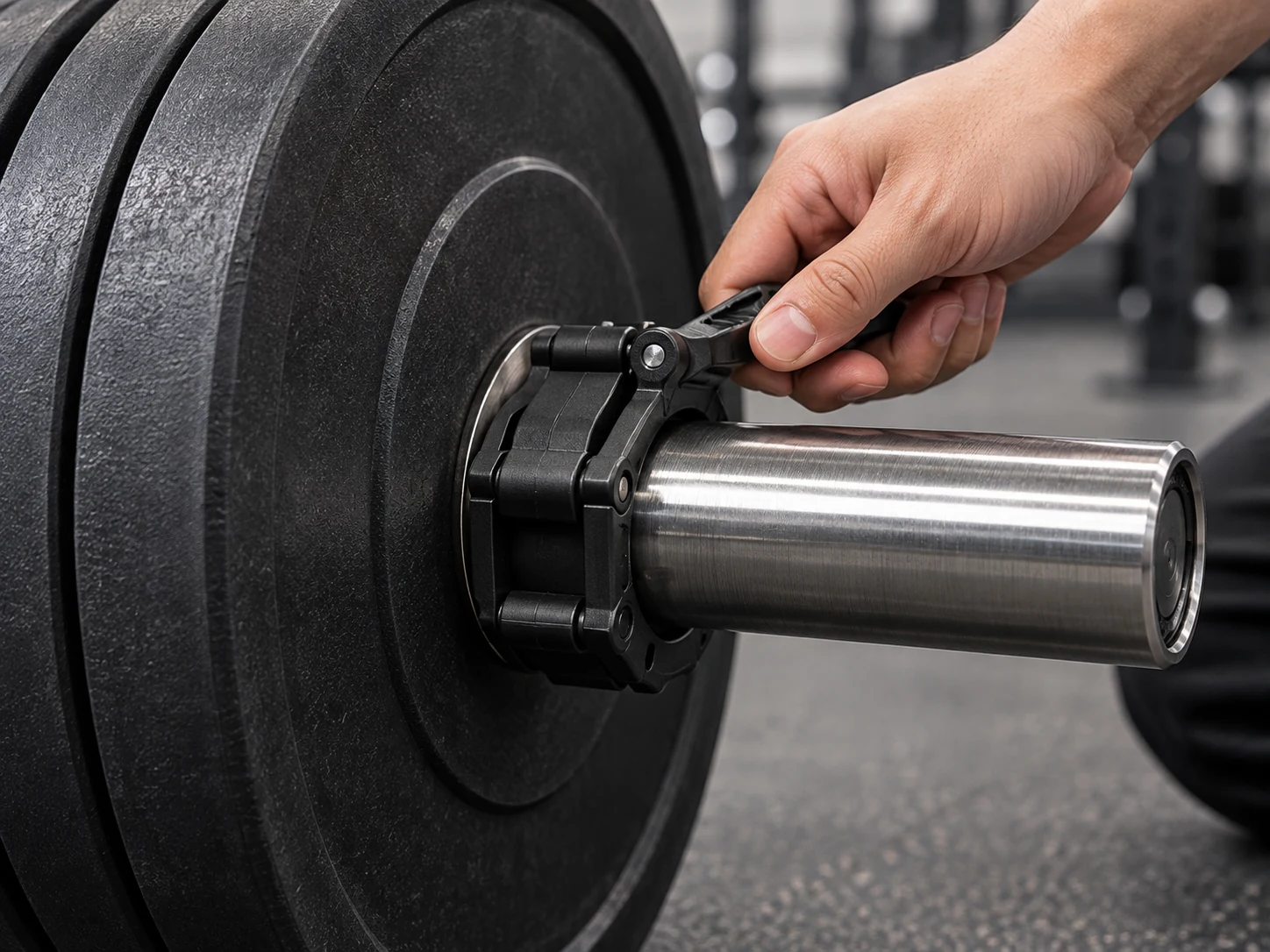
A European distributor once ordered a quantity of barbell collars from us. Not a container. Not close to one. He said plainly that he wanted to see how quality, delivery and documentation worked before committing further.
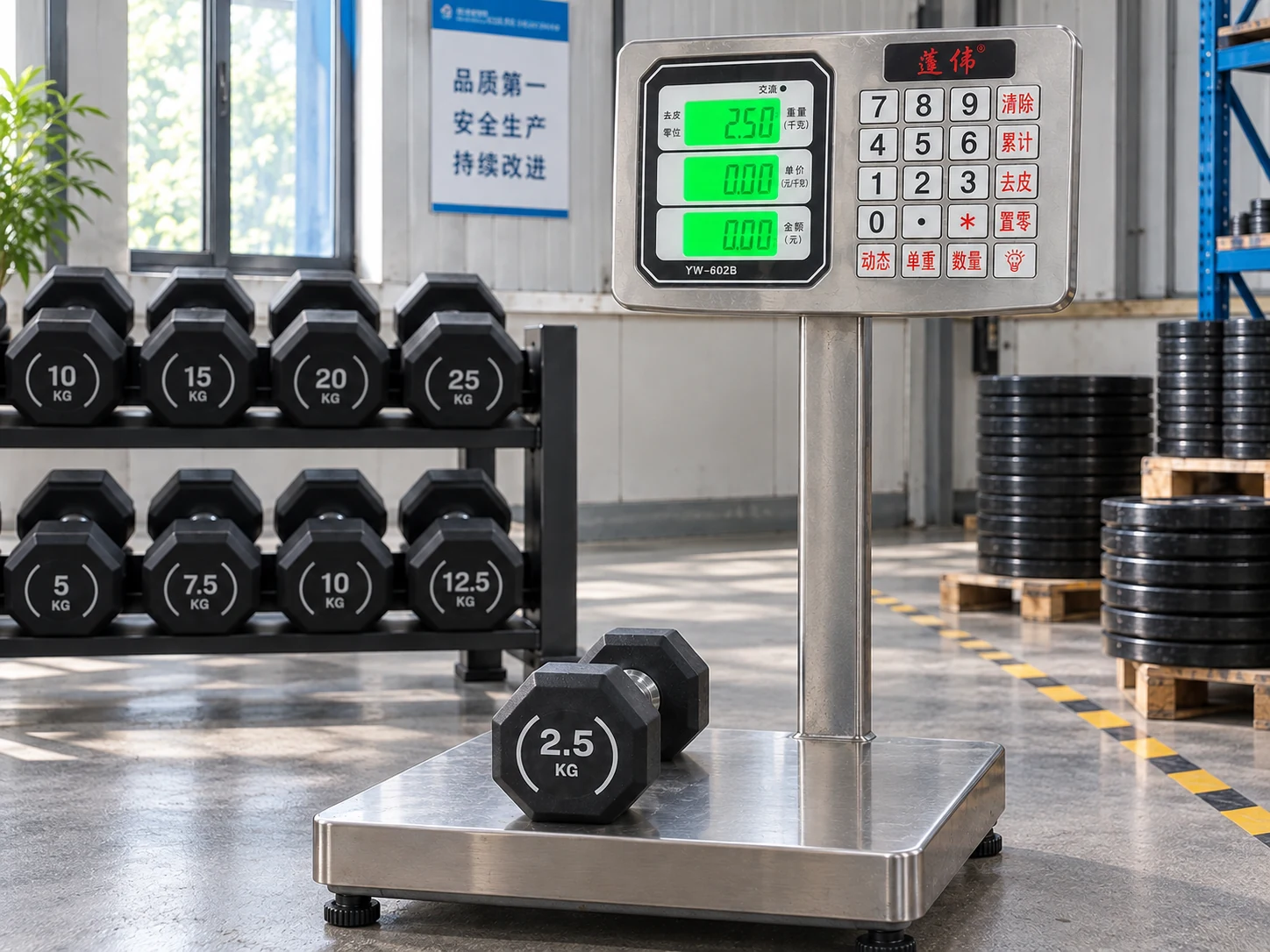
We ran it as a normal order: bore confirmed, colour confirmed, packing confirmed, every batch weighed, photographs recorded. When it shipped, the loading photographs and the weighing records went with it.
He subsequently added kettlebells. Then dumbbells. Then mats. His orders now cover several families in a single mixed container.
A small order is not a small customer. A small order is a customer testing you. And what they are testing is not the product — it is whether you are reliable.
What a first-time buyer is actually worried about
Asked what first orders are usually anxious about, the answer was not price. It was three things, in this order.
1. That the goods will not match the sample
The most common fear, and the most reasonable one. A sample is made with attention; a production run is made at volume.
What addresses it: photographs or video of the first production pieces, sent before shipping, so the buyer can compare against the sample they approved.
2. That the delivery date will not hold
Buyers have usually been let down before, and a date given quickly reads as a date given carelessly.
What addresses it: confirming the schedule with production before committing, and explaining which parts of a lead time can move and which cannot. A date with reasoning behind it is more credible than a confident one.
3. That nobody will answer if something goes wrong
The deepest of the three, and the hardest to answer with words.
What addresses it: traceable records. Weighing records, loading photographs, inspection notes, batch markings. A buyer who can trace a problem to a production date knows the problem can be investigated.
Verifiable actions, not assurances
All three concerns share a structure: they are about trust, and none of them is resolved by saying “trust us”.
| Concern | Assurance | Verifiable action |
|---|---|---|
| Goods differ from sample | “Our quality is consistent” | Production photos before shipping |
| Late delivery | “We always deliver on time” | Schedule confirmed before the date is given |
| No support if it fails | “We stand behind our products” | Batch records retained and shared on request |
| Not really a factory | “We are a manufacturer” | Unannounced video call; buyer's own inspector |
The right-hand column is what a first order is actually checking.
What gets a first order wrong
Three failures, all of them avoidable:
- Treating the order by its value. Slower responses, less checking, junior handling. The buyer notices, and concludes what they will be worth at volume.
- Sending goods without documentation. The goods may be perfect. Without records the buyer has learned nothing about how you operate.
- Over-promising to win it. A first order is exactly the wrong place for an optimistic date.
For distributors: how to run the test properly
If you are the one placing a trial order, it is worth designing it to reveal something:
- Order something with a specification that can be checked. Collars have a bore size, plates have a diameter and a weight. A vague item tests nothing.
- Ask for the records, and see whether they arrive without chasing.
- Ask one technical question mid-production. The speed and quality of the answer is data.
- Weigh a sample on arrival. Compare against the specification and against each other — see weight tolerance.
- Note whether anything was volunteered that you did not ask for.
A supplier who passes all five is worth a container. One who passes three is worth another trial.
The commercial logic
Handling a small order properly costs a little margin. Handling it badly costs the account that order was testing for.
From a factory's side the arithmetic is straightforward: a distributor who starts with collars and ends up shipping mixed containers several times a year is worth considerably more than the first order suggested. Starter containers follow the same principle at a larger scale.
Written with our technical manager, who has spent twenty years on the floor of a free-weight plant. Customer details are withheld; the incidents are not.
Frequently asked
Why do distributors place very small first orders?
To evaluate the supplier rather than to make money. They are testing whether goods match the sample, whether documentation is complete and traceable, and whether anyone responds when there is a question.
What worries a first-time buyer most?
Not price. In order: that production will not match the approved sample, that the delivery date will not hold, and that nobody will answer if something goes wrong.
How can a supplier reassure a first-time buyer?
With verifiable actions rather than assurances: photographs of first production pieces before shipping, a delivery date confirmed with production, retained batch records, and an open invitation to inspect or video-call unannounced.
What should a distributor include in a trial order?
Something with a checkable specification, such as collars with a defined bore or plates with a stated weight and diameter. Ask for records without chasing, ask one technical question mid-production, and weigh a sample on arrival.
Is it worth a factory taking a very small order?
Usually yes. A distributor who begins with a minor line and ends up shipping mixed containers several times a year is worth far more than the first order suggests.

Written by the people who quote, tool and inspect the product at our own plant. Questions: [email protected]
Request a quotation
Send the list. Get price, lead time and container loading in one working day.
Item list, quantities and destination port are enough to start. Logo artwork and colour references can follow once the price is agreed.
- Email[email protected]
- Phone / WhatsApp / WeChat+86 138 6042 3022
- OfficeIronhue Limited
Room 1203, No.5 Jinzhong Road, Huli District, Xiamen, China